Source Microfiber Feather Duster for Home, Car, and Office
Compare 30 microfiber feather duster options from verified Chinese suppliers. Buyers can evaluate materials like microfiber and PP, handle styles, and customization availability for household dust cleaning and fragile surface maintenance; compare the available evidence and request quotations based on your requirements.
Key considerations
Products List
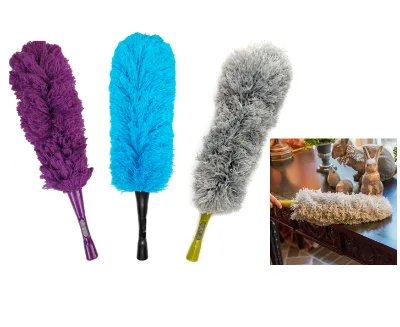


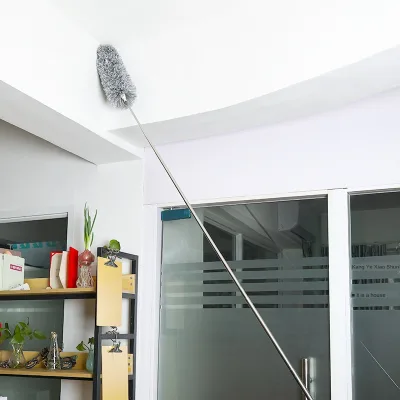


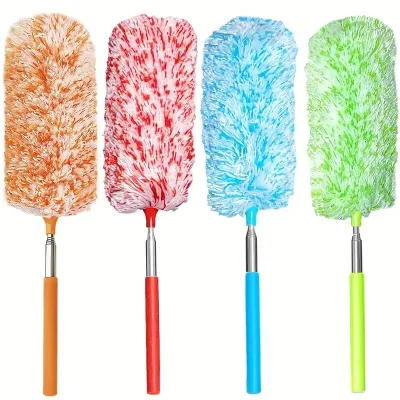
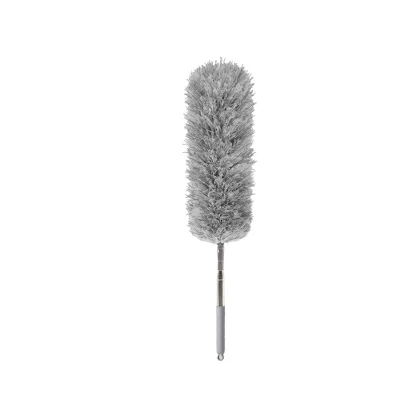
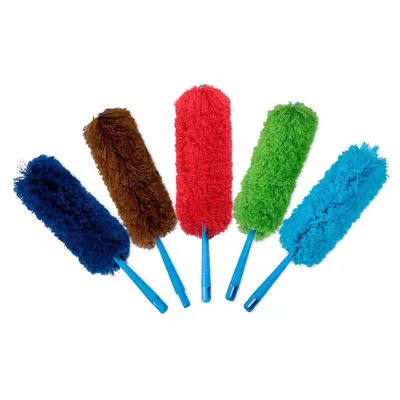
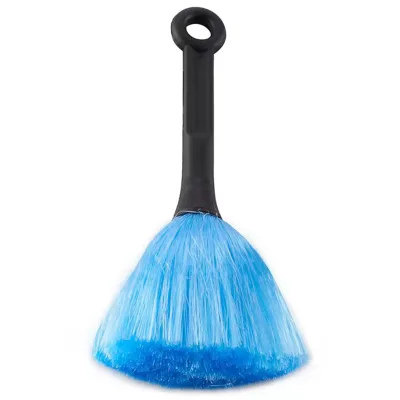
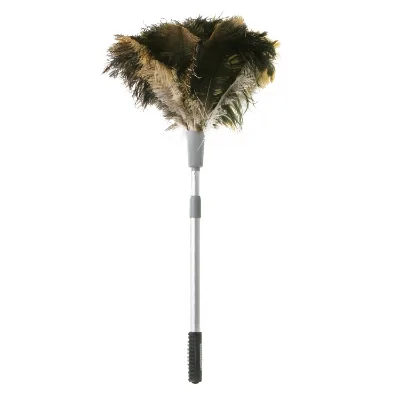
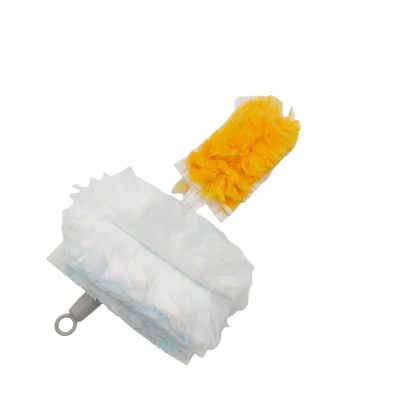

Comprehensive Sourcing Guide
Microfiber Feather Duster Sourcing Guide
Sourcing microfiber feather dusters requires a clear understanding of the distinct material properties that define this cleaning tool category. These products typically combine synthetic microfiber fabrics with structural supports like polypropylene handles to create a versatile dusting solution. The primary function revolves around attracting and holding dust aggressively, making them suitable for delicate surfaces where traditional cloths might scratch or leave residue. Buyers must distinguish between pure microfiber models and hybrid designs that may incorporate natural feathers or chenille materials, as these variations significantly impact cleaning performance and maintenance requirements.
The market offers a wide range of configurations, from irregular-shaped heads designed for intricate corners to flat mop styles for broader surfaces. Key attributes such as color options, including blue, black, gray, yellow, violet, and navy blue, allow for visual differentiation in professional cleaning environments. Additionally, the availability of customization services enables brands to tailor product specifications to their specific identity. Understanding these variations is crucial for selecting the right product mix that aligns with target customer needs, whether for household use, automotive detailing, or office maintenance.
Product Scope and Observed Listing Signals
Current market listings indicate a diverse product range with observed price points ranging from $0.05 to $12.50 USD, reflecting significant variation in quality and component complexity. Minimum order quantities (MOQs) typically span from 1 to 10,000 units, offering flexibility for both small-scale retailers and large distributors. High-confidence data points to a standard MOQ of 2,000 sets for many suppliers, suggesting a baseline for efficient production runs. Buyers should note that supply abilities often cap at 50,000 pieces per month, which may influence inventory planning for high-volume procurement strategies.
Product names and descriptions vary, with terms like "Microfiber Feather Duster," "Bamboo Feather Duster," and "Chenille Flat Mop" appearing in listings. This terminology overlap requires careful verification of actual materials, as some products labeled as feather dusters may use synthetic alternatives. The observed single package sizes, such as 56x8x8 cm or 29x6.5 cm, provide insights into shipping volume and storage efficiency. Additionally, gross weights around 1.0 kg per unit help in calculating accurate freight costs. These signals collectively paint a picture of a fragmented market where precise specification verification is essential to avoid mismatches between ordered and received goods.
Technical Specifications to Verify
Verifying technical specifications is critical to ensuring the product meets functional requirements. Key materials to confirm include microfiber fabrics for the duster head and polypropylene (PP) for the handle, which provide durability and lightweight handling. The duster head shape, often irregular, is designed to reach into crevices and around objects, enhancing cleaning efficacy. Buyers should also check the model numbers, such as 06311, D1011, D1008, D1034, and BA118, to track specific design iterations and ensure consistency across orders. These identifiers help in maintaining quality control and simplifying reordering processes.
Packaging standards are another vital technical aspect, with products typically packed in carton boxes for protection during transit. Standard dimensions like 29x11x4.5 cm or 45x4x4 cm influence palletization and container loading efficiency. The style is generally manual, requiring no electrical components, which simplifies usage and maintenance. Additionally, features such as easy cleaning and the ability to attract dust aggressively are key performance indicators. Buyers must verify these attributes through sample testing to ensure the product performs as advertised, particularly regarding the fabric's density and the handle's sturdiness under regular use.
Compliance and Safety Documentation
While specific certification statuses are not universally disclosed in general listings, buyers must proactively request relevant compliance documentation from suppliers. For products intended for household use, ensuring adherence to local safety standards for cleaning tools is paramount. This may include verifying that materials are free from harmful chemicals and that the product does not pose choking hazards, especially if small parts are involved. Buyers should ask for test reports or certificates that confirm the safety of the microfiber and PP materials used in construction.
Documentation should also cover labeling requirements, ensuring that product names, usage instructions, and care guidelines are clearly printed on the packaging. For international shipments, compliance with import regulations regarding textile and plastic products is necessary. Buyers should verify that the supplier can provide necessary declarations of conformity, particularly if the product is marketed with specific claims about its cleaning efficiency or material composition. Maintaining a robust documentation trail helps mitigate legal risks and ensures smooth customs clearance in destination markets.
Cost Drivers and Commercial Terms
Several factors influence the final cost of microfiber feather dusters, including material quality, customization options, and order volume. The use of premium microfiber fabrics or specialized handle designs can increase unit costs, while larger order quantities often yield better pricing due to economies of scale. Customization services, such as branding or unique color combinations, may incur additional fees. Buyers should negotiate clearly on these variables to avoid unexpected charges and ensure budget alignment.
Commercial terms also play a significant role in total procurement costs. Delivery times typically range from 25 to 50 days, depending on order size and supplier workload. Shipping ports like Ningbo and Shanghai are common dispatch points, affecting freight costs and transit times. Buyers should clarify whether samples are free, noting that freight charges may apply, and understand the sample lead time, which is often 3-5 days. Clear agreement on these terms helps in planning cash flow and inventory replenishment schedules effectively.
Supplier Qualification and Quality Control
Qualifying suppliers involves assessing their production capabilities, quality management systems, and reputation. Buyers should verify the supplier's location, often in regions like Zhejiang, China, known for manufacturing expertise in cleaning products. Checking the supplier's supply ability, such as 50,000 pieces per month, helps gauge their capacity to handle large orders without compromising quality. Requesting references or case studies from previous clients can provide insights into their reliability and consistency.
Quality control measures should be established before placing large orders. This includes defining clear acceptance criteria for materials, dimensions, and finish. Buyers may consider third-party inspections during production or before shipment to ensure products meet specified standards. Verifying the customization process is also important, as errors in branding or packaging can lead to significant issues. Establishing a strong relationship with the supplier through regular communication and feedback helps maintain high quality and fosters long-term partnership benefits.
Long-Term Procurement Checks
Long-term success in sourcing microfiber feather dusters depends on continuous monitoring and relationship management. Buyers should regularly review supplier performance metrics, including on-time delivery rates, product quality consistency, and responsiveness to issues. Tracking market trends and competitor offerings can help identify opportunities for product improvement or cost reduction. Maintaining open lines of communication with suppliers ensures that any changes in materials or processes are communicated promptly, allowing for timely adjustments in procurement strategies.
Additionally, buyers should periodically reassess their supplier base to ensure they remain competitive and reliable. Diversifying suppliers can mitigate risks associated with single-source dependencies. Evaluating the total cost of ownership, including logistics, storage, and potential returns, provides a holistic view of procurement efficiency. By staying informed about industry developments and maintaining rigorous quality standards, buyers can secure a steady supply of high-quality microfiber feather dusters that meet their customers' needs and support their business growth objectives.
FAQs
What materials are used in the microfiber feather duster head?
The duster head is crafted from microfiber fabrics designed to attract dust aggressively. The handle is constructed from durable PP plastic. This combination ensures effective cleaning for book cases, picture frames, and computer screens while remaining lightweight and easy to maneuver during household cleaning tasks.
Can I customize the color of the microfiber feather duster?
Yes, customization is available for this product. Buyers can select from colors such as blue, black, grey, yellow, violet, light green, or navy blue. This flexibility allows businesses to match specific branding requirements or consumer preferences when sourcing these cleaning tools for retail distribution.
What is the minimum order quantity for this duster?
The standard minimum order quantity is 2000 sets. However, observed listings show a range from 1 to 10000 units depending on the supplier. Buyers should confirm specific MOQ requirements with manufacturers to ensure alignment with their procurement volume and budget constraints for bulk orders.
How long does delivery take for bulk orders?
Delivery times typically range from 25 to 50 days depending on the supplier and order volume. Standard production lead times are often around 25 days. Buyers should verify exact schedules with vendors to plan inventory replenishment effectively and avoid stockouts during peak cleaning seasons.
Where are these microfiber feather dusters manufactured?
These products originate from Zhejiang, China. Major shipping ports include Ningbo and Shanghai, facilitating efficient export logistics. Buyers sourcing from this region benefit from established manufacturing clusters that offer competitive pricing and reliable supply chain infrastructure for global distribution of household cleaning items.
What is the monthly supply capacity for this product?
The supply ability is listed as 50000 pieces per month. This capacity supports medium to large bulk orders from verified manufacturers. Buyers requiring higher volumes should confirm production capabilities directly with factories to ensure consistent supply and timely fulfillment of international procurement contracts.